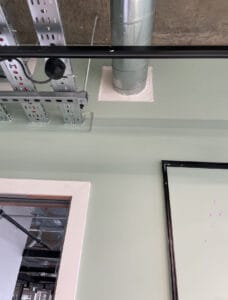
When a fire breaks out, every second matters. The difference between a contained incident and a full building loss often comes down to one thing: whether the passive fire protection was installed correctly in the first place.
At Pegasus Fire Stopping, we provide a complete range of fire stopping and passive fire protection services to buildings across the UK. From initial compartmentation surveys through to the installation of certified sealing systems, our qualified operatives ensure your building performs exactly as it should when it matters most.
Passive fire protection describes building elements designed to resist and contain the spread of fire and smoke without any active intervention. Unlike sprinklers or extinguishers, it works by being built into the fabric of the structure itself, fire-rated walls and floors, fire doors, cavity barriers, and the fire stopping measures at every point where services pass through those rated elements.
The principle is straightforward: a building is divided into fire compartments, each designed to contain a fire for a set period, typically 30, 60, or 120 minutes, giving occupants time to evacuate and the emergency services time to respond. The moment any compartment boundary is compromised, even by an unsealed cable hole, the entire strategy fails.
That is why fire stopping is not optional. It is a legal requirement.
Fire stopping is the process of sealing any opening in a fire-rated wall, floor, or ceiling where a pipe, duct, cable, or conduit passes through.
Every trade on a building site can create a fire stopping issue. Electricians, plumbers, ventilation engineers, each penetration they make through a fire-rated element is a potential breach unless properly sealed. Fire stopping reinstates the full fire resistance of that element using approved systems: intumescent products, mineral wool batts, fire-rated boards, collars, wraps, and pillows, each selected to suit the penetration type, surrounding construction, and required resistance rating.
Done properly, it works invisibly for the life of the building. Done poorly, or not done at all, it creates a direct path for fire and toxic smoke to travel.
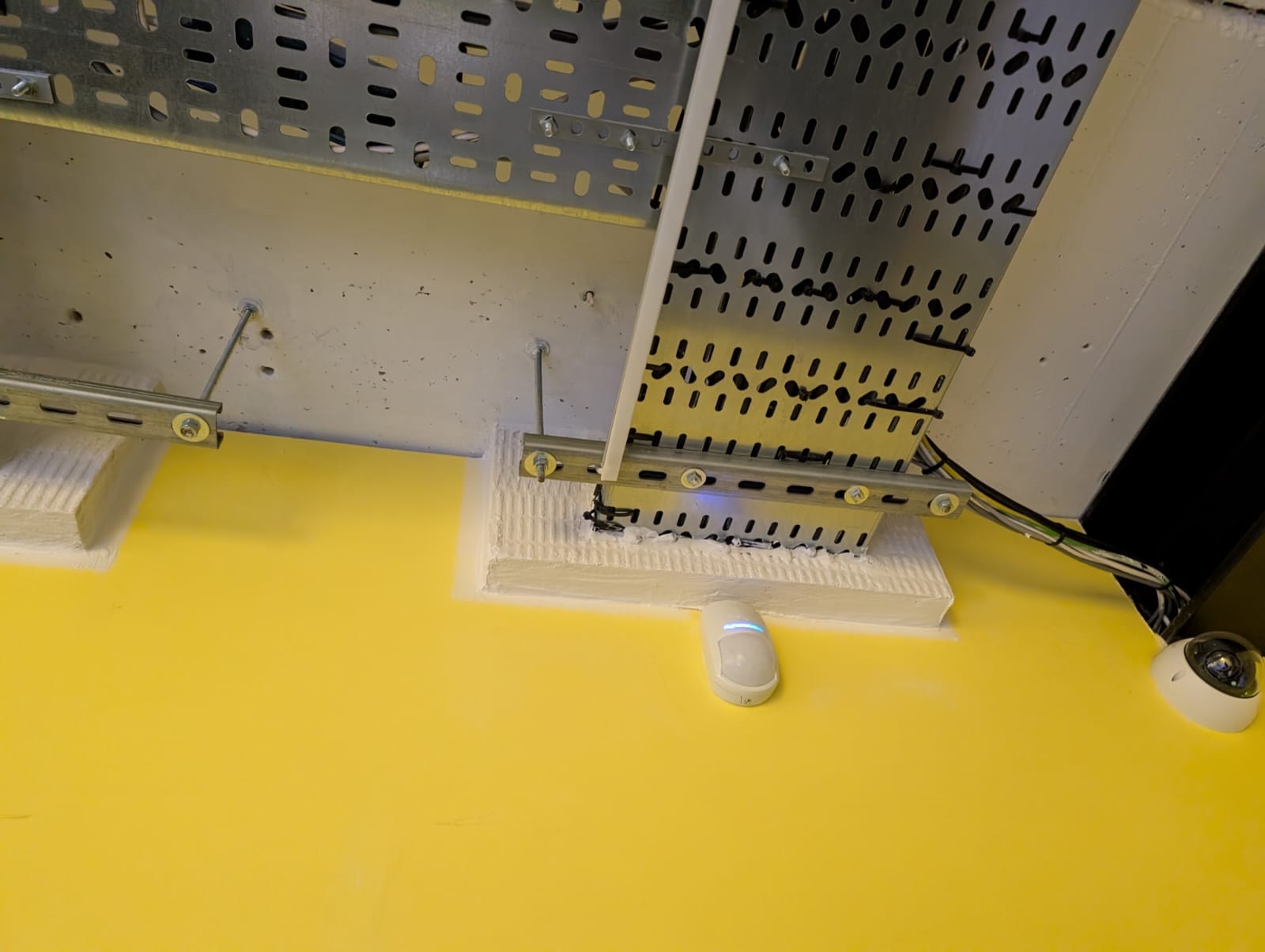
We specify and install high grade Nullifire products as standard, including fire batt, mastic, HP and Intustrap, alongside a wider range of certified passive fire protection systems. Every product is independently tested and installed strictly to manufacturer specification.
We have been working in fire safety since 1993 and built a reputation for doing the job properly, not cutting corners, and not producing reports that are difficult to understand or act on.
Active systems require some form of action to operate, sprinklers, alarms, extinguishers. Passive fire protection works by being part of the building structure itself. Fire-rated walls, floors, fire doors, and fire stopping seals all function without any activation.
The most reliable way is a compartmentation survey. Many buildings, particularly those that have been refurbished or had services altered, have breaches that are not visible to the naked eye. A survey identifies them systematically and provides a clear remedial action plan.
Yes. All works are documented with photographic evidence, product data sheets, and a completion record, essential for demonstrating compliance to enforcing authorities, insurers, and future building owners.
In our experience: penetrations that were never sealed; seals disturbed during later building works and not reinstated; or products incorrectly specified or poorly installed. Older buildings that have been refurbished multiple times are particularly susceptible, which is exactly why compartmentation surveys are so valuable.
Whether you need a compartmentation survey, remedial fire stopping works, or simply want to understand your compliance position, we are happy to help. Call us on 0800 030 4533 or send us a message and one of our team will be back in touch promptly.
All quotes are obligation-free. No jargon, no pressure, just straightforward fire safety advice from people who know their trade.
